
LONGi's 34.85% Perovskite-Silicon Tandem Solar Cell Sets a New NREL-Certified World Record
Chinese solar manufacturer LONGi reached 34.85% conversion efficiency on a perovskite-silicon tandem cell, certified by the U.S. National Renewable Energy Laboratory.
InnovationGNGV Editorial Team4 min readLast reviewed September 28, 2026
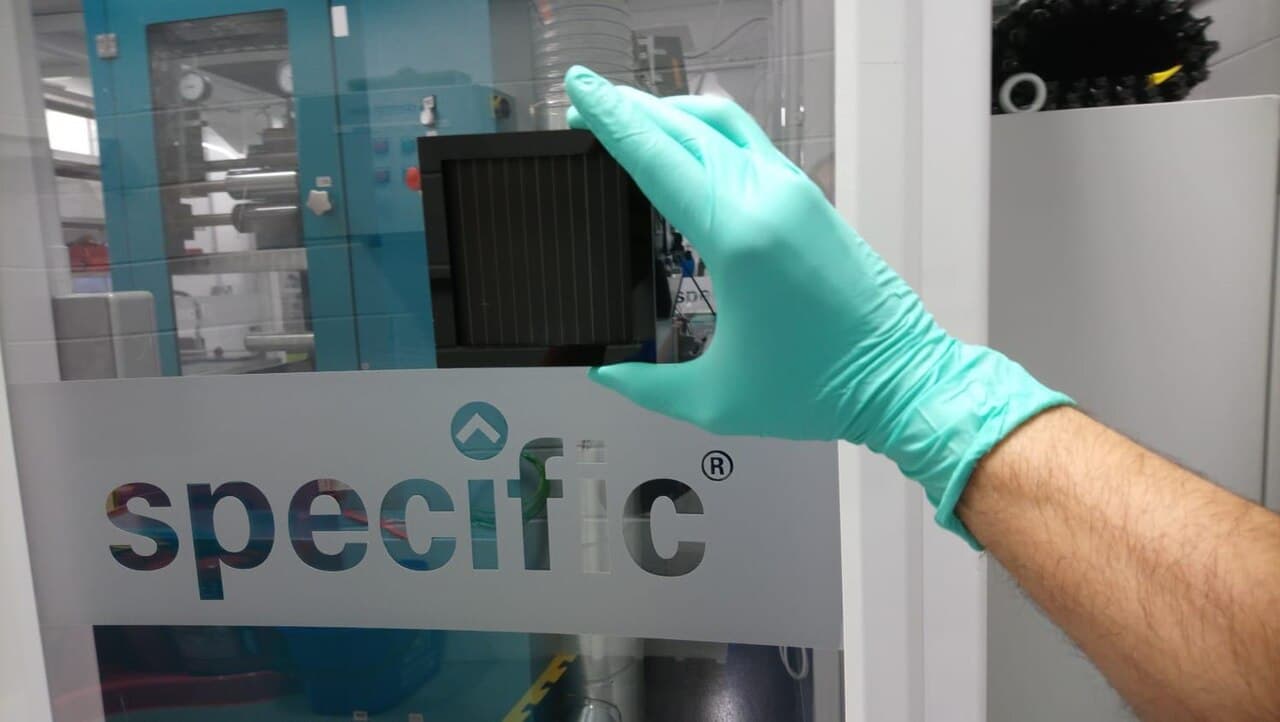
Solar power keeps getting cheaper, but breakthroughs in efficiency translate directly into more energy from less land and material. Chinese manufacturer LONGi reported a 34.85% efficiency on a perovskite-silicon tandem solar cell, certified by the U.S. National Renewable Energy Laboratory (NREL) — currently a world record for this two-junction technology.
Tandem cells stack a thin perovskite layer on top of conventional silicon. The two materials capture different parts of the solar spectrum, which lets the combined cell harvest more sunlight than silicon alone. Lab efficiencies have climbed from below 30% in 2021 to nearly 35% today, and several companies are racing to bring tandem panels to market in the late 2020s.
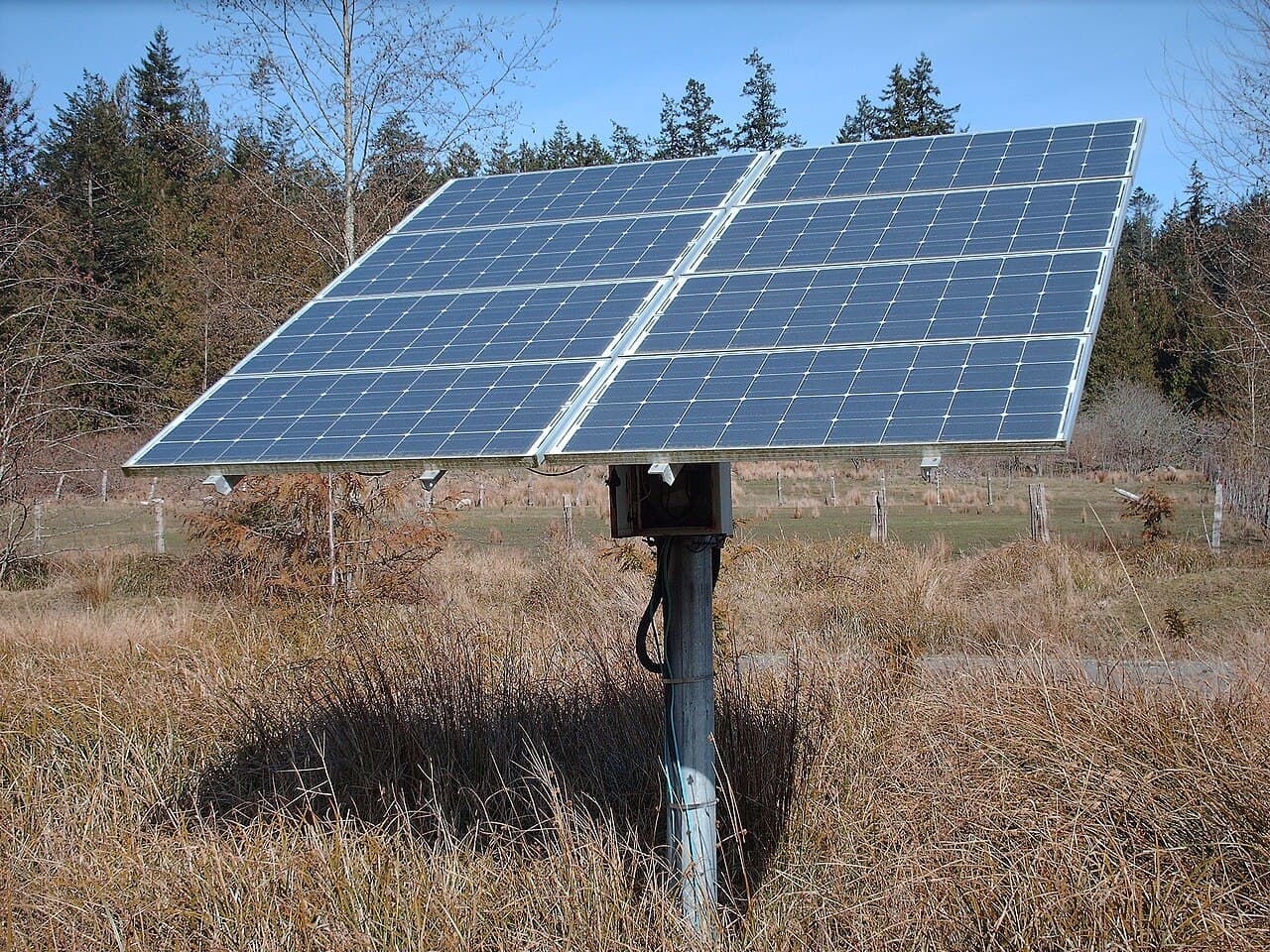
Mainstream silicon panels installed in 2026 typically convert 20–23% of incoming sunlight into electricity, a leap from the 15% common a decade ago.
Practical hurdles remain. Perovskite materials are sensitive to moisture and heat, and engineers must prove panels can survive 25 years of weather. Still, the LONGi result, combined with broader manufacturing scale-ups, suggests the next generation of solar technology is ready to leave the lab. Cheaper, more efficient panels are arriving just in time for a global build-out of clean electricity.