
IBM: 2026 Will Mark First Time a Quantum Computer Outperforms Classical Computers
IBM has stated that 2026 will be the year a quantum computer first outperforms a classical computer, unlocking breakthroughs in drug development, materials science, and financial optimization.
Artificial IntelligenceGNGV Editorial Team4 min readLast reviewed September 28, 2026
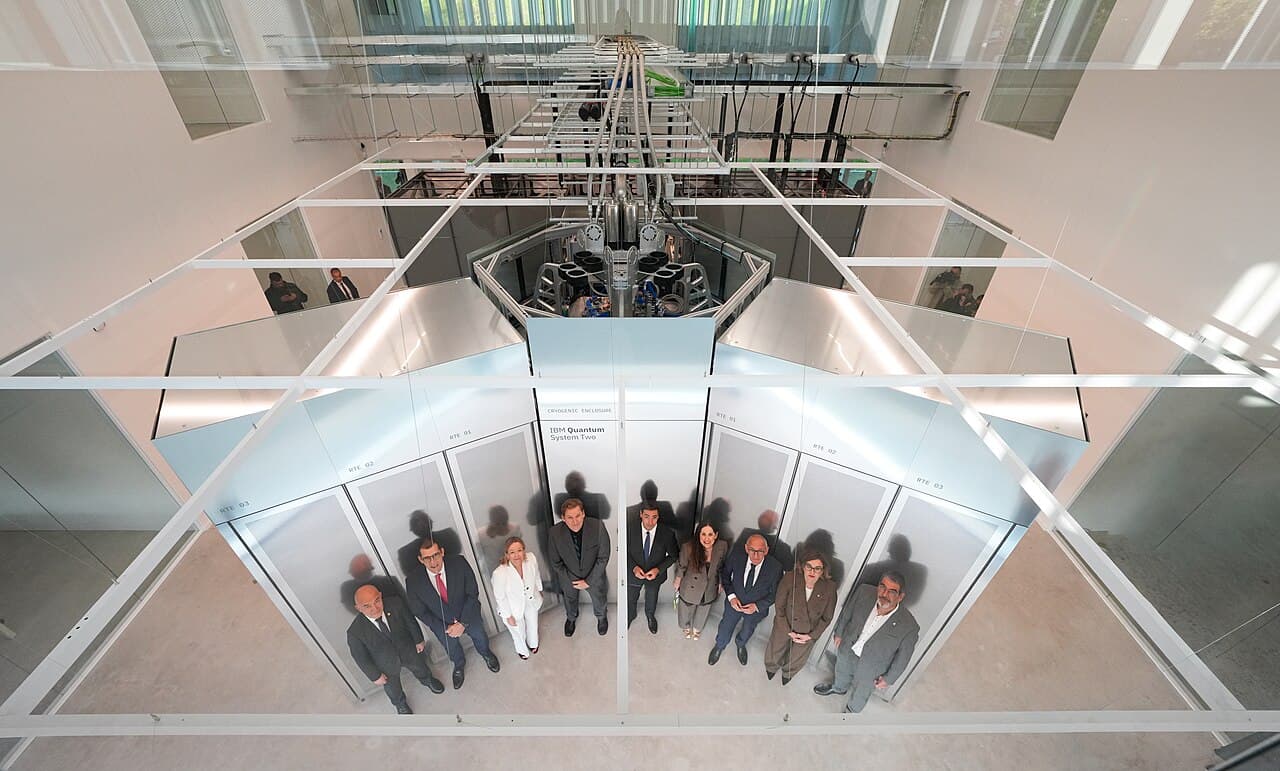
IBM has made a bold prediction: 2026 will be the year that a quantum computer first outperforms a classical computer. This milestone, known as "quantum advantage," has been the holy grail of quantum computing for decades and could unlock transformative breakthroughs across multiple fields.
According to IBM's analysis of technology trends for 2026, advances in error correction, qubit stability, and quantum software have converged to make quantum advantage achievable. The company's quantum hardware roadmap has been steadily progressing, with each generation of processors delivering more qubits, lower error rates, and better connectivity.
The implications of quantum advantage are profound. In drug discovery, quantum computers could simulate molecular interactions at a level of detail impossible for classical computers, dramatically accelerating the identification of new therapeutic compounds. In materials science, quantum simulation could unlock the design of new materials with specific properties — from superconductors to more efficient catalysts for clean energy production.
Financial institutions are also watching closely. Quantum computers could revolutionize portfolio optimization, risk analysis, and fraud detection by processing complex calculations that would take classical computers years to complete.
IBM emphasizes that this won't mean classical computers become obsolete. Instead, quantum and classical systems will work together in a hybrid model, with quantum processors handling the specific types of problems where they excel while classical computers continue to handle everyday computing tasks.
The prediction adds to growing momentum in the quantum computing industry, with multiple companies racing to demonstrate quantum advantage. If IBM's timeline holds, 2026 could be remembered as the year quantum computing moved from laboratory curiosity to practical tool.