

Cornell Scientists Achieve Breakthrough in Safe, Reversible Male Contraception
Cornell researchers demonstrated that targeting a natural checkpoint in meiosis can safely and reversibly halt sperm production, achieving 100% effectiveness in mice with full fertility recovery within six weeks.
HealthGNGV Editorial Team5 min read
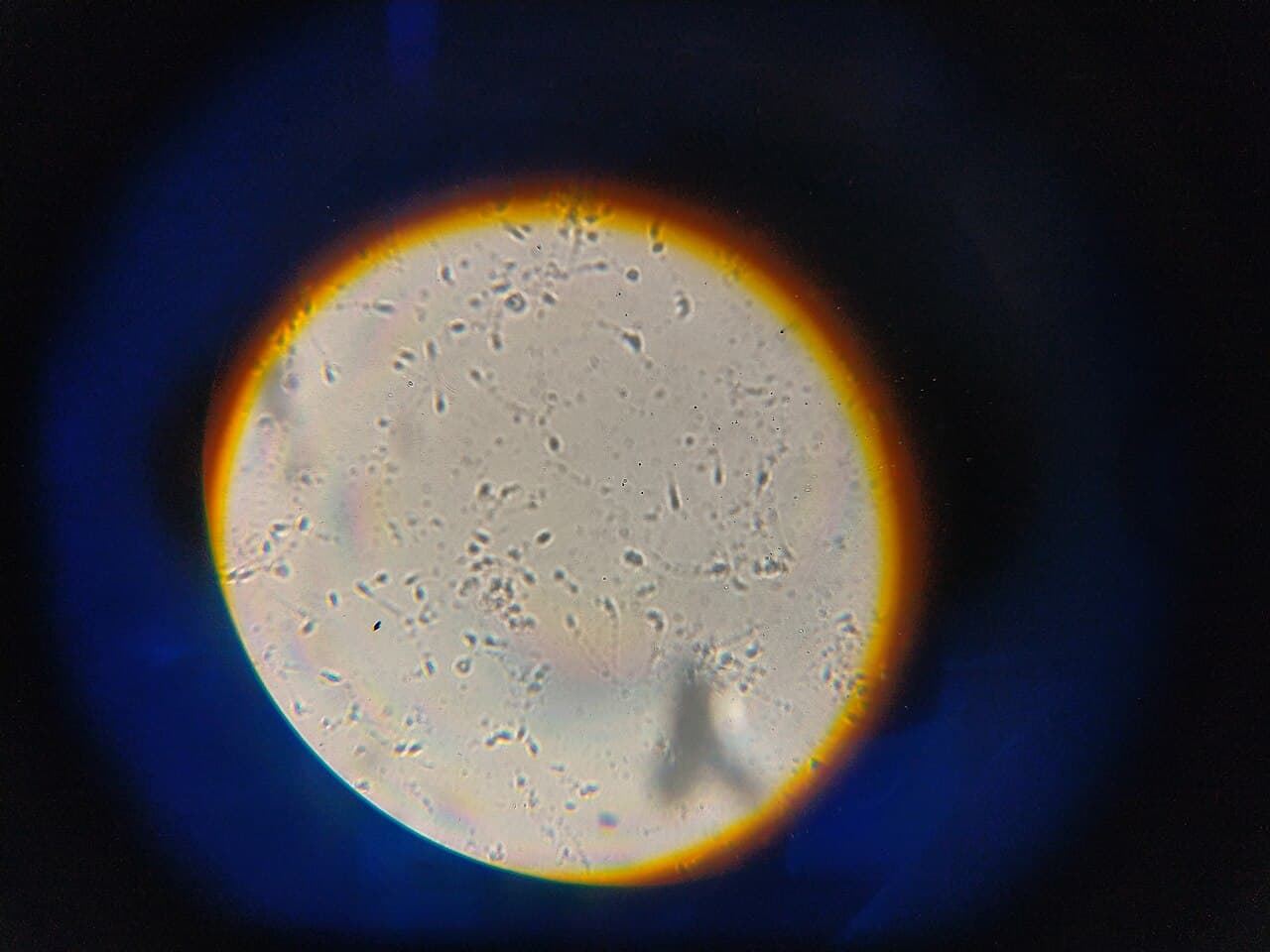
Cornell scientists have demonstrated for the first time that targeting a natural checkpoint in the meiosis process can safely and reversibly halt sperm production. Published on April 7 in the Proceedings of the National Academy of Sciences, the research represents six years of work that could transform reproductive health options for men.
In the study, three weeks of treatment with a small molecule called JQ1 completely stopped sperm production in mice. Remarkably, fertility returned within six weeks after stopping treatment, and the mice went on to produce healthy offspring with no observable side effects.
Unlike hormonal approaches that have dominated male contraception research for decades, this method is nonhormonal. It works by exploiting a natural quality-control checkpoint that cells use during meiosis — the specialized cell division that produces sperm. By temporarily activating this checkpoint, the treatment prevents sperm from maturing without affecting testosterone levels or other hormonal functions.
The research team emphasized that the approach's specificity is what makes it so promising. Because it targets a process unique to sperm production, it avoids the broad systemic effects that have plagued previous male contraceptive candidates. Side effects like mood changes, weight gain, and reduced libido — common complaints in hormonal trials — were absent in the animal studies.
While human trials are still needed, reproductive health experts called the results a significant step forward. The nonhormonal, fully reversible nature of the approach addresses the two biggest concerns that have historically stalled male contraceptive development. If successful in humans, it could provide the first new male contraceptive method since the condom and vasectomy.


