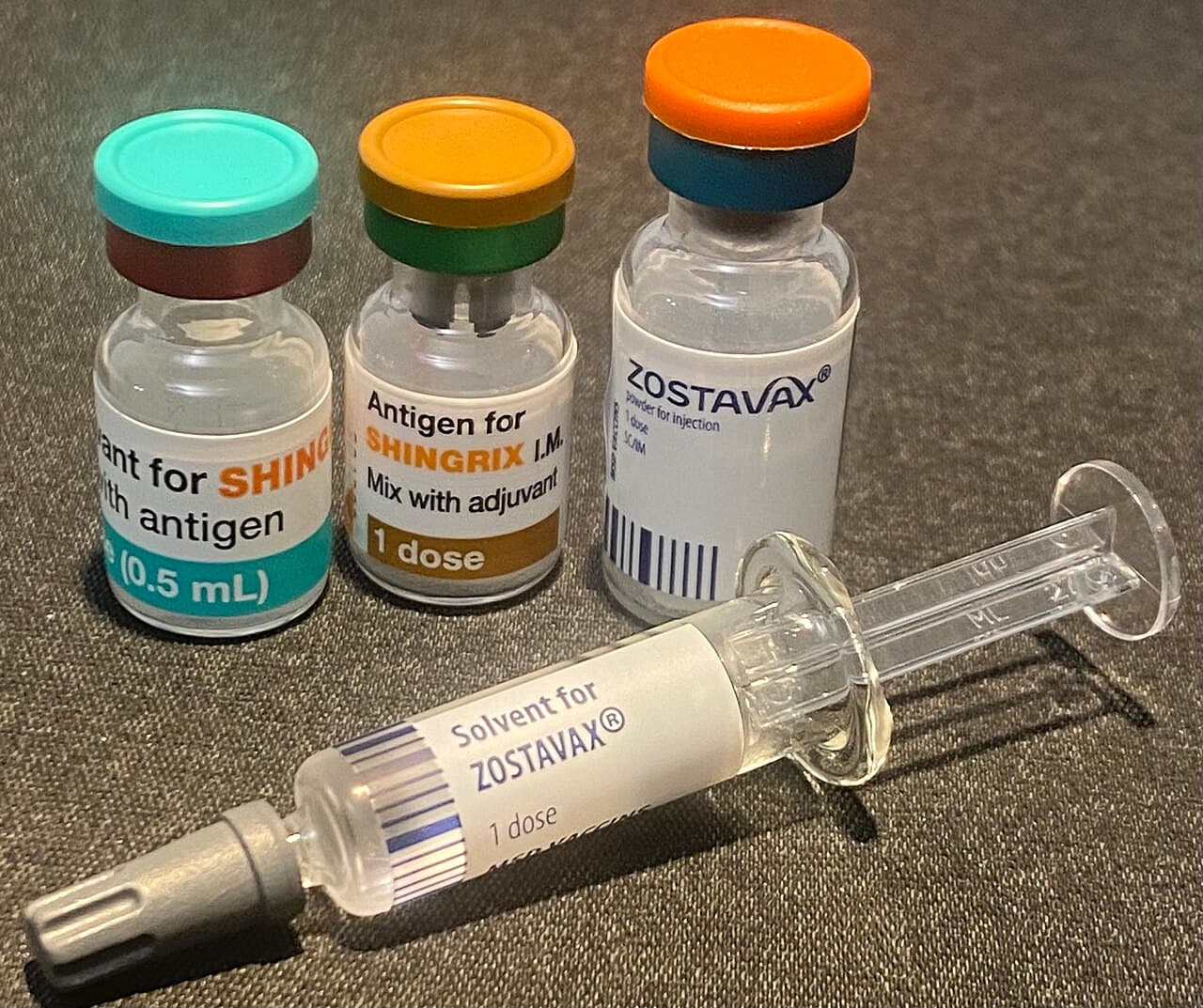

New mRNA Malaria Vaccine Shows 95% Efficacy in Phase 3 Trial Across 6 African Countries
An mRNA-based malaria vaccine developed by Oxford and BioNTech has demonstrated 95% efficacy in a Phase 3 trial involving 22,000 children across six African nations, far surpassing existing vaccines and offering hope for eliminating the disease.
HealthGNGV Editorial Team5 min read

An mRNA-based malaria vaccine developed through a collaboration between the University of Oxford and BioNTech has shown 95 percent efficacy in a large-scale Phase 3 clinical trial involving 22,000 children aged 5 months to 3 years across six African countries. The results, published in The Lancet, represent a potential game-changer in the fight against a disease that kills more than 600,000 people annually.
The vaccine, designated mRNA-MAL-2, targets multiple stages of the malaria parasite's life cycle — a key advance over existing vaccines that focus on just one stage. The RTS,S vaccine currently in deployment across Africa shows around 36 percent efficacy, and even the newer R21 vaccine achieves approximately 75 percent. The leap to 95 percent could fundamentally change the trajectory of malaria control.
The trial was conducted across sites in Ghana, Kenya, Burkina Faso, Tanzania, Mozambique, and Mali over 18 months. Children who received the three-dose vaccine series had 95 percent fewer symptomatic malaria episodes compared to the control group, and crucially, the protection showed no significant decline over the follow-up period.
The mRNA platform, proven during the COVID-19 pandemic, allows the vaccine to be manufactured rapidly and scaled to meet global demand. BioNTech has committed to establishing manufacturing facilities in Rwanda and Senegal that could produce 100 million doses annually by 2028.
Dr. Adrian Hill, director of the Jenner Institute at Oxford and co-lead of the trial, described the results as "the most significant advance in malaria vaccine development in the history of the field." The World Health Organization has fast-tracked the vaccine for emergency use authorization.
The economic implications are also substantial. Malaria costs African economies an estimated $12 billion annually in lost productivity and healthcare expenses. A highly effective vaccine could return those resources to education, infrastructure, and economic development.