

Coho Salmon Reproduce Naturally in the Russian River's Upper Basin for the First Time in Over 30 Years
A Pinoleville Pomo Nation water specialist confirmed juvenile coho salmon in Ackerman Creek — the first natural reproduction documented in the Russian River's upper basin since 1991, after parents swam more than 90 miles upstream.
AnimalsGNGV Editorial Team4 min read
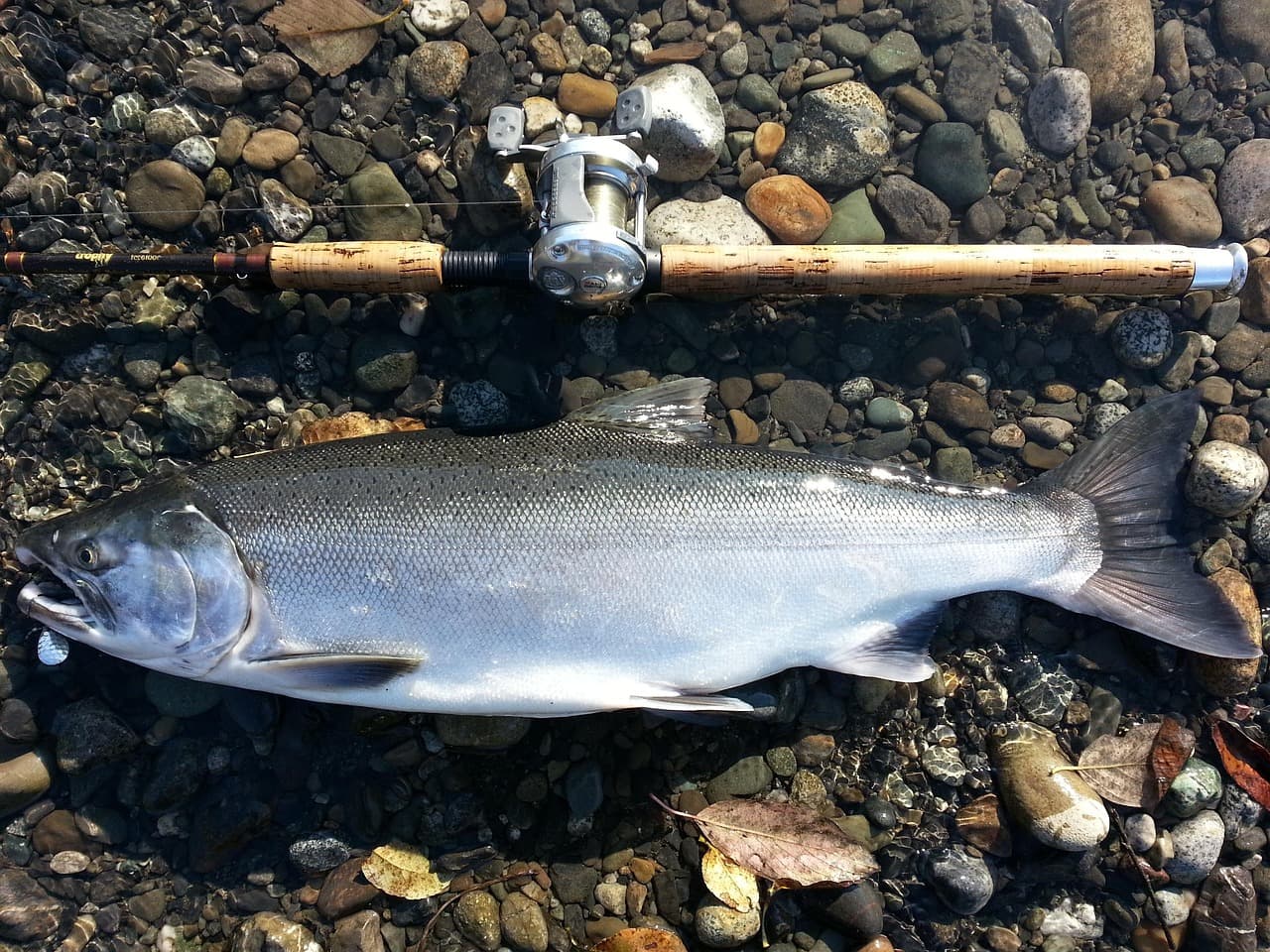
California's Department of Fish and Wildlife (CDFW) shared a milestone for North American salmon recovery: juvenile coho salmon were confirmed in Ackerman Creek in the upper basin of the Russian River, the first natural reproduction of the species documented there in more than 30 years. The juveniles were spotted by a water specialist with the Pinoleville Pomo Nation, whose ancestors fished these waters for generations.
The young fish are believed to have hatched from adult coho that migrated from the Pacific Ocean in December 2024, traveling more than 90 miles up the Russian River and into Ackerman Creek to spawn. Coho salmon along California's central coast nearly disappeared after a century of dam construction, water diversions, logging and overfishing. Their return signals progress for restoration projects that have rebuilt streamside habitats and reopened blocked tributaries.
Across the broader region, biologists also reported record numbers of returning coho during the 2024–25 winter, from the Golden Gate National Recreation Area in Marin County north to the Sinkyone Wilderness in Mendocino County. Hatchery and broodstock programs at the Don Clausen Fish Hatchery near Lake Sonoma helped rebuild populations to a level where natural spawning could even take hold again.
For the Pinoleville Pomo Nation and other tribal communities, the return of coho is more than a biological success — it is the partial return of a way of life. Restoration leaders caution that the population remains fragile, but for the first time in a generation, the upper Russian River has young coho swimming in its tributaries.


